The Wolf in Sheep’s Clothing: The Liberal Party Rebrand

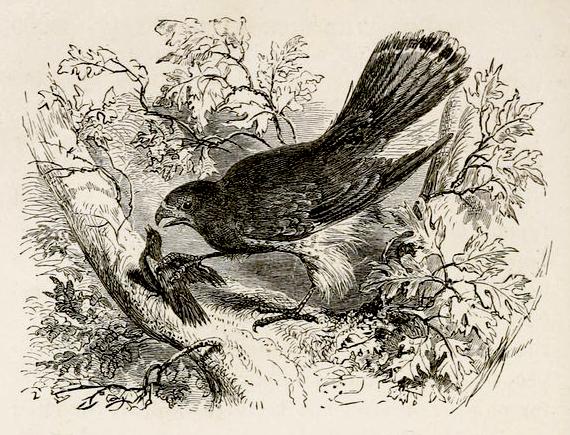
The Liberal Party of Canada has donned a new sheep’s coat. While a wolf can change his coat, he cannot change his nature. Canadians would be wise to reconsider opening their doors to him again.
On March 24, 2025, the Liberal Party of Canada crowned its new Prime Minister, Mark Carney, who promised a radical break from the Justin Trudeau-era Liberals. One of these promising measures was to finally axe the federal carbon tax– a long-standing demand of Conservative Opposition Leader Pierre Poilievre since its implementation in 2019. However, Carney never promised to eliminate the entire carbon tax – such a move would ultimately contradict his own beliefs. Instead, he pledged to remove the consumer carbon tax while retaining the tax on industries and businesses.
It may be surprising to see Carney, a close advisor to Trudeau throughout his term and during the COVID-19 pandemic, take such a drastic departure from Liberal policies. The Mark Carney website boldly affirmed that the consumer carbon tax “isn’t working and has become too divisive.”[1] While it may be easy to point the finger at Trudeau and make him the scapegoat for the carbon tax, Carney was, in fact, a supporter of the measure. In his 2021 book Value(s): Building a Better World for All, Carney voiced his support for carbon pricing and even praised the Canadian approach. The change in rhetoric is nothing more than a strategic effort by the Liberal Party to distance itself from its unpopular policies, with the hopes of securing another term.
Voters who may be inclined to support Carney for this promised relief should be cautious. Under the previous policy, Canadians received a carbon tax rebate to offset the increased prices caused by the tax. For a family of four, these rebates could range from $760 to $1,800 annually. With the consumer carbon tax eliminated effective April 1, 2025, these payments have also been discontinued. The Government of Canada has updated its website to indicate that no further quarterly Carbon Tax Rebate payments will be made after the April payment.
In the short term, eliminating the consumer carbon tax is expected to reduce inflation by 0.7 percentage points over one year, primarily due to the immediate drop in gasoline prices.[2] However, this short-lived reprieve is misleading. The taxation of industrial emissions will likely result in increased operating costs for businesses, which will be passed on to consumers. This time, however, the added burden will come without the cushion of quarterly rebates—and not until after the next election.
The Liberal Party platform has indicated plans to create a “Made-in-Canada Industrial Competitiveness Strategy”.[3] While there are few details about this industrial carbon strategy, it will likely compensate for the lost revenue from the consumer carbon tax. According to the Ministry of Finance estimates, between fiscal years 2019-2020 and 2022-2023, the federal government raised approximately $22 billion in carbon pricing revenues.[4] It is unlikely that such a significant revenue stream will be foregone.
The drastic shift in polls, with the Liberals taking the lead for the first time in years, shows Canadians may not have learned a tale as old as time. Trudeau may have taken the fall for the Liberal Party, but the reality is that Trudeau never acted alone. Trudeau was just the face, and Carney the new mask.
[1] This page is now archived. See: https://web.archive.org/web/20250326091130/https://markcarney.ca/media/2025/01/mark-carney-presents-plan-for-change-on-consumer-carbon-tax
[2] See: https://www.bankofcanada.ca/publications/mpr/mpr-2025-04-16/in-focus-1/
[3] See: https://web.archive.org/web/20250326091130/https://markcarney.ca/media/2025/01/mark-carney-presents-plan-for-change-on-consumer-carbon-tax
[4] Government of Canada. (2022). Fall Economic Statement 2022.

 Liberstate
Leave a comment